Land, farm & ranch
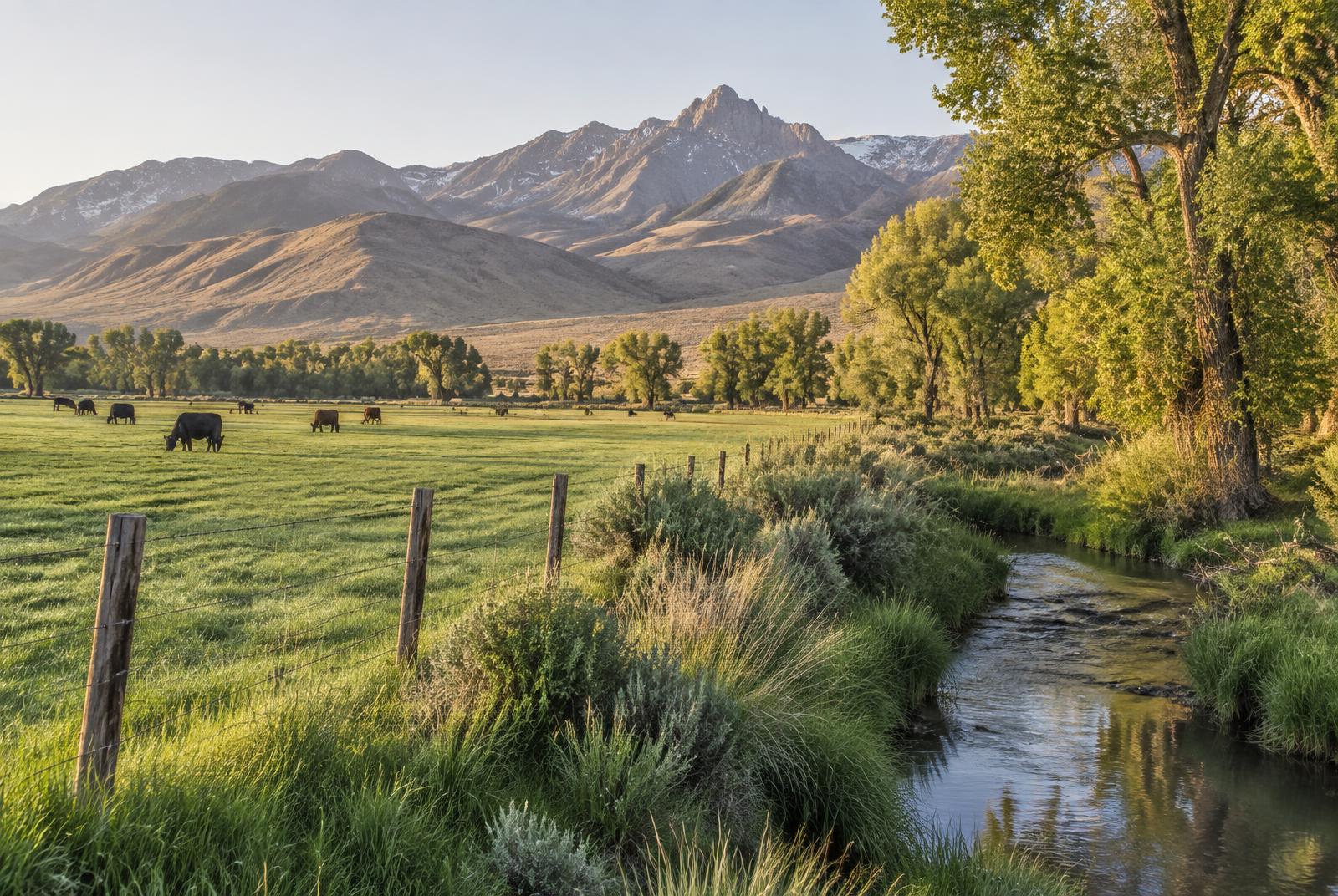
Rural land and ranch property, where diligence is the actual work.
Who this is for
Who this is for
Rural acreage buyers
People who want land to live on, build on or hold, and who need to know what the parcel truly supports.
Ranch and agricultural buyers and sellers
Working ground where water, grazing and boundaries carry as much weight as the acreage figure.
Recreational buyers
Hunting, riding and remote-use property, including parcels adjoining federally managed land.
Land investors
Buyers holding acreage where zoning, access and utilities determine the future audience.
Landowners selling rural property
Sellers who want the parcel documented so buyers can get to yes without a month of unanswered questions.
Buyers of development ground
Parcels being evaluated for a future use that depends on approvals and infrastructure cost.
Property types
Property types involved
- Rural acreage and small ranchettes
- Working ranches and agricultural ground
- Irrigated meadow and hay ground
- Rangeland and large remote parcels
- Recreational property
- BLM-adjacent parcels
- Land with development potential
- Homes with substantial acreage
Markets
Where this work happens
- Elko County valleys, including Independence and Lamoille
- Spring Creek and the Ruby Mountain foothills
- Eureka County ranch and rangeland
- Lander County and the Reese River valley
- Humboldt County agricultural ground
- White Pine County and the Steptoe Valley
- Pershing County and the Lovelock area
What Joe helps with
What Joe helps you navigate
Access
Separating legal access, physical access and maintenance responsibility, then getting each documented.
Utilities
Written line-extension estimates, well logs and county septic requirements for the actual building site.
Water rights and wells
Identifying what exists on record and routing the questions to the state and to qualified professionals.
Mineral rights
Determining through title work whether minerals are severed and what conveys with the surface.
Grazing and BLM adjacency
Understanding allotments, permits and management rules through the managing field office.
Zoning and intended use
Confirming with the county whether the plan for the parcel is actually permitted.
Title and boundary diligence
Surveys, encroachments, easements and fence-line discrepancies identified early, not at closing.
Development potential
Testing whether a future use is feasible against real approval and infrastructure costs.
Buyers should independently verify access, boundaries, water rights, mineral rights, utilities, zoning, permits, environmental conditions and intended use with the applicable authorities and qualified professionals.
Buyer responsibility
What you must verify independently.
- Legal and physical access, including recorded easements
- Boundaries, encroachments and fence-line accuracy
- Water rights, well permits, depth and yield
- Mineral rights and whether they are severed
- Utility availability, capacity and extension cost
- Zoning, permitted use and setback requirements
- Septic feasibility and county permitting requirements
- Flood, drainage and environmental conditions
- Grazing allotments and permit transferability
- Property tax status, including any agricultural deferral
- Road maintenance obligations and winter access
- Insurability and lender requirements for the parcel
Buyers should independently verify access, boundaries, water rights, mineral rights, utilities, zoning, permits, environmental conditions and intended use with the applicable authorities and qualified professionals.
Nevada Synergy may introduce clients to independent professionals based on the needs of the project. Each provider is separately responsible for its services, licensing, fees, contracts and work product.
The process
How a land transaction runs
- 01
Define the intended use
Residence, grazing, recreation, hold or development. The use determines which facts matter.
- 02
Screen candidate parcels on paper
Assessor maps, recorded documents, zoning and access review before anyone spends a day driving.
- 03
Walk the ground
Access route, building site, water infrastructure, fences and neighbors, in the season that matters.
- 04
Write with a real diligence period
Contingencies sized to the verification the parcel actually requires, with a written checklist.
- 05
Verify with the responsible authorities
County, state, managing agency, title company, surveyor and utility each answer their own part in writing.
- 06
Decide with facts in hand
Proceed, renegotiate or walk away based on documents rather than assumptions.
Come prepared
Have these ready
- What you intend to do with the land, specifically
- Acreage range and maximum distance from town you will accept
- Whether you need a building site, or are holding raw ground
- Livestock, equipment or storage plans
- Water needs, including irrigation or stock water
- Whether financing is involved, and which lender
- Access expectations for winter conditions
- Your timeline and the flexibility in it
Questions clients actually ask
Frequently asked questions
- How do I confirm a parcel has legal access?
- Through recorded documents at the county recorder and a title company's review, plus the managing agency if access crosses federally managed land. A road existing on the ground is not proof of a right to use it.
- Does buying land include water rights?
- Not automatically. Water rights are separate from land ownership and separate again from a domestic well. Verify both with the Nevada Division of Water Resources before relying on either.
- What about mineral rights?
- Mineral rights are frequently severed from surface ownership in Nevada. What conveys must be confirmed through title work and recorded documents, not from a listing description.
- Can I build on remote acreage?
- It depends on zoning, septic feasibility, water, access and power. Each is answered by a different office or professional. Get those answers before removing contingencies.
- What does BLM-adjacent mean for me as a buyer?
- It can mean recreation access and open country next door. It can also mean access easements, grazing allotments and management rules that affect your plans. Confirm the specifics with the managing field office.
- Do grazing permits transfer with a ranch?
- Not automatically. Transfer depends on the permit and the managing agency, and it should be confirmed in writing as a diligence item before closing.
Land / Ranch Inquiry
Talk through the property details
Access, utilities, water, zoning and intended use drive most rural decisions.
Trouble with the form? Open it in a new tab or call 775-451-3905.
Joe Brown is a Nevada-licensed real estate salesperson (license S.0195641) and a Nevada-licensed business broker (license 7174), affiliated with Coldwell Banker Excel. All real estate brokerage services are provided through Coldwell Banker Excel. Nevada Synergy is not a real estate brokerage.
Next step
Send the parcel number, or the plan.
Either works. Joe will tell you what he can confirm quickly and what needs a professional's answer before you commit.